

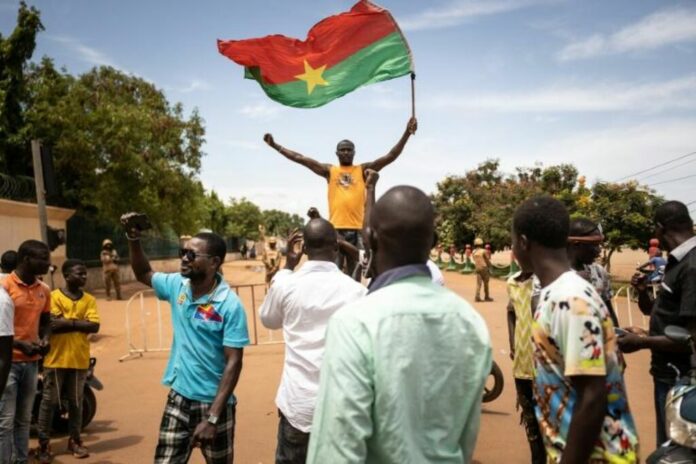

A large crowd of demonstrators gathered in Niamey, the capital of Niger, to express their support for Captain Ibrahim Traoré, the transitional president of neighboring Burkina Faso. The march took place in front of the Burkina Faso embassy, where participants waved flags, held banners, and chanted slogans in favor of Traoré’s leadership and his anti-imperialist stance. The demonstration reflects growing regional solidarity among West African nations facing similar political and security challenges.
The event was organized by civil society groups and pro-sovereignty activists who view Traoré as a symbol of resistance against foreign interference, particularly from former colonial powers. Many demonstrators praised his efforts to assert national independence and strengthen regional cooperation among Sahel countries. The march also served as a message of unity among the people of Niger and Burkina Faso, who share cultural, historical, and geopolitical ties.
Key Messages from the Demonstration
The demonstrators conveyed several key messages during the march, emphasizing their support for Traoré and broader regional autonomy. These included:
- Backing Traoré’s efforts to reduce foreign military presence in Burkina Faso.
- Calling for stronger alliances among Sahel nations to combat terrorism and promote stability.
- Rejecting external political pressure and advocating for self-determination.
- Expressing solidarity with the people of Burkina Faso in their struggle for sovereignty.
Speakers at the event highlighted the importance of African unity and the need for leaders who prioritize national interests over foreign agendas. They also criticized international sanctions and interventions that they believe undermine the region’s ability to address its own challenges.
Regional Implications and Growing Pan-African Sentiment
The march in Niamey is part of a broader trend of rising Pan-African sentiment across the Sahel region. As countries like Niger, Mali, and Burkina Faso face ongoing security threats and political transitions, there is increasing public support for leaders who advocate for regional cooperation and reduced dependency on Western powers. Traoré’s popularity among segments of the Nigerien population underscores this shift in public opinion.
Observers note that such demonstrations may influence regional politics by encouraging greater collaboration among transitional governments and civil society movements. The shared experiences of these nations—ranging from coups to counterterrorism efforts—have fostered a sense of common purpose and mutual support.
Conclusion: A Symbol of Regional Unity and Resistance
The popular march in Niger in support of Captain Ibrahim Traoré highlights a growing desire among West African populations for sovereignty, unity, and self-determination. As demonstrators gathered outside the Burkina Faso embassy, their message was clear: the people of the Sahel are standing together in the face of shared challenges. This event not only reflects support for a specific leader but also signals a broader movement toward regional solidarity and resistance against external influence.