


A New Era of National Sovereignty
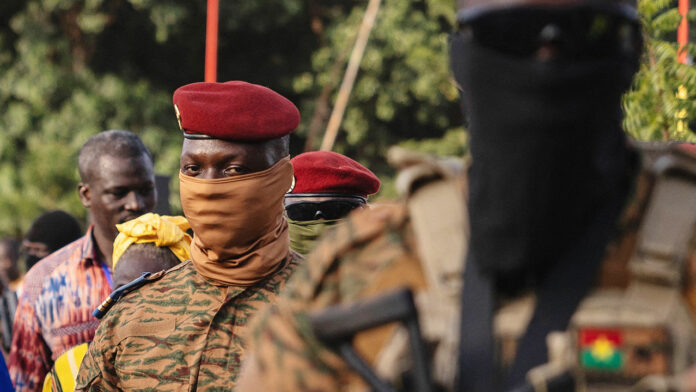
In a powerful statement that underscores a shift in national policy and sentiment, Mali’s transitional president, Colonel Assimi Goïta, reaffirmed the country’s commitment to reclaiming full sovereignty over its territory and natural resources. Speaking during a recent public address, Goïta emphasized that Mali is steadily progressing toward restoring control over its own affairs, free from foreign interference. This declaration comes amid a broader regional movement in West Africa, where several nations are re-evaluating their relationships with international partners and asserting greater autonomy.
Goïta’s remarks reflect a growing sense of national pride and determination to overcome the legacy of external influence that has long shaped the country’s political and economic landscape. He highlighted the importance of unity and resilience among the Malian people, noting that the path to sovereignty is not without challenges but is essential for the country’s long-term stability and prosperity.
Strategic Steps Toward Independence
The Malian leadership has taken several concrete steps to reinforce its sovereignty and reduce dependency on foreign powers. These measures are part of a broader strategy aimed at empowering national institutions and ensuring that the country’s wealth benefits its citizens first and foremost.
- Security Reforms: Mali has been restructuring its military and security apparatus to better address internal threats and reduce reliance on foreign military forces.
- Resource Management: The government is implementing new policies to ensure that natural resources, such as gold and other minerals, are managed transparently and in the national interest.
- Diplomatic Realignment: Mali is diversifying its international partnerships, seeking alliances that respect its sovereignty and support its development goals.
These initiatives are designed to lay the foundation for a more self-reliant and resilient Mali, capable of charting its own course in the global arena.
Public Support and Regional Implications
The message of sovereignty has resonated strongly with the Malian population, many of whom have expressed support for the government’s efforts to reclaim control over national affairs. Public demonstrations and civic engagement have increased, reflecting a renewed sense of ownership and national identity.
Moreover, Mali’s stance is influencing neighboring countries facing similar challenges. The call for sovereignty and self-determination is gaining traction across the Sahel region, potentially reshaping the geopolitical landscape of West Africa. As Mali continues on this path, it may serve as a model for other nations seeking to assert their independence and prioritize the welfare of their citizens.
Conclusion: A Nation Reclaiming Its Future
Colonel Assimi Goïta’s declaration marks a pivotal moment in Mali’s journey toward full sovereignty. By focusing on internal reforms, resource control, and strategic diplomacy, the country is laying the groundwork for a more independent and prosperous future. While challenges remain, the determination of the Malian people and their leadership signals a clear commitment to reclaiming their rightful place as stewards of their land and resources. This renewed focus on sovereignty not only strengthens national unity but also sets a powerful example for other nations striving for self-determination in an increasingly complex world.